

Myopia, often called nearsightedness, is a common vision condition in which close-up objects appear clear while objects farther away look blurry. For many children, myopia progresses over time if left untreated.
Many parents whose children have myopia are looking for ways to help manage the condition. One common method is atropine eye drops, which have been shown to slow down the progression of nearsightedness, particularly in children and adolescents.
At Upper Appleby Eye Care, we offer a complete myopia management strategy that focuses on managing future vision rather than just on correcting current blurriness.
An Option to Manage Myopia Progression
Myopia or nearsightedness is generally caused by the eyeball growing too long front-to-back. This growth causes light to focus incorrectly in the eye, making distant objects appear blurry.
What Are Atropine Eye Drops?
Atropine eye drops are a medicated eye drop prescribed for myopia control. They’re used to help slow down the physical changes that cause nearsightedness to worsen.
While myopia can’t be reversed, proactive management of the condition can effectively protect your child’s future vision. This is important because high levels of myopia have been shown to increase a person’s risk of developing other conditions later in life.
The Treatment Process & Your Eye Exam
The first step is a comprehensive eye exam to check your overall eye health. As your optometrist in Burlington, ON, we can assess your child’s vision and determine if they’re a good candidate for this treatment.
What to Expect Day-to-Day
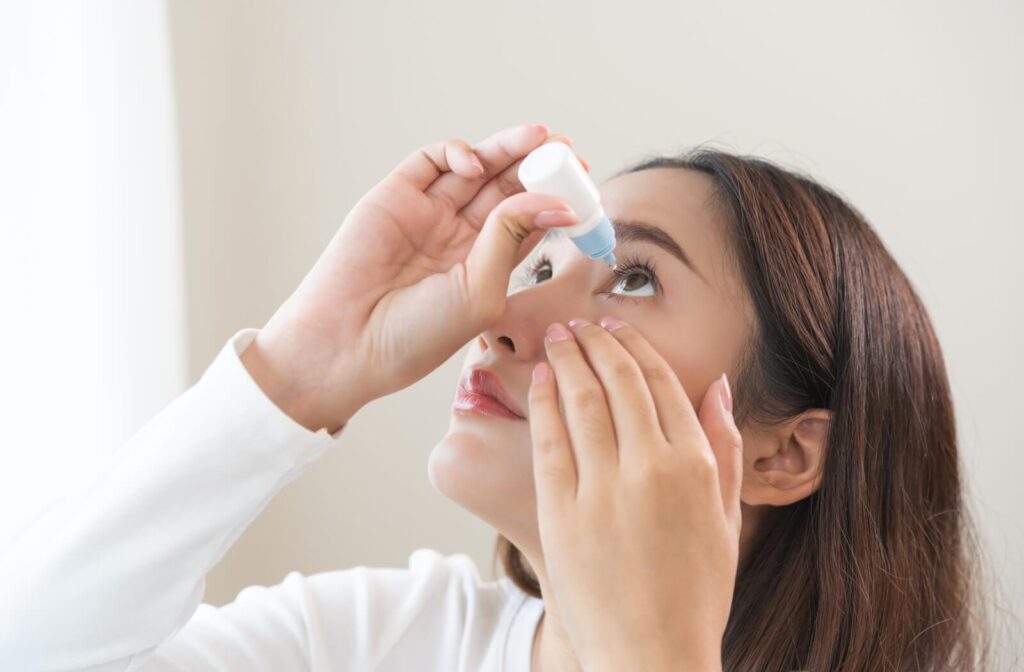
If atropine eye drops are the right approach, the daily process is usually simple. Typically, it involves:
- Applying one drop in each eye before bedtime.
- Attending regular follow-up appointments to monitor your child’s progress.
- Continuing the treatment for a period determined by your eye care professional—often a few years.
Potential Side Effects of Low-Dose Atropine
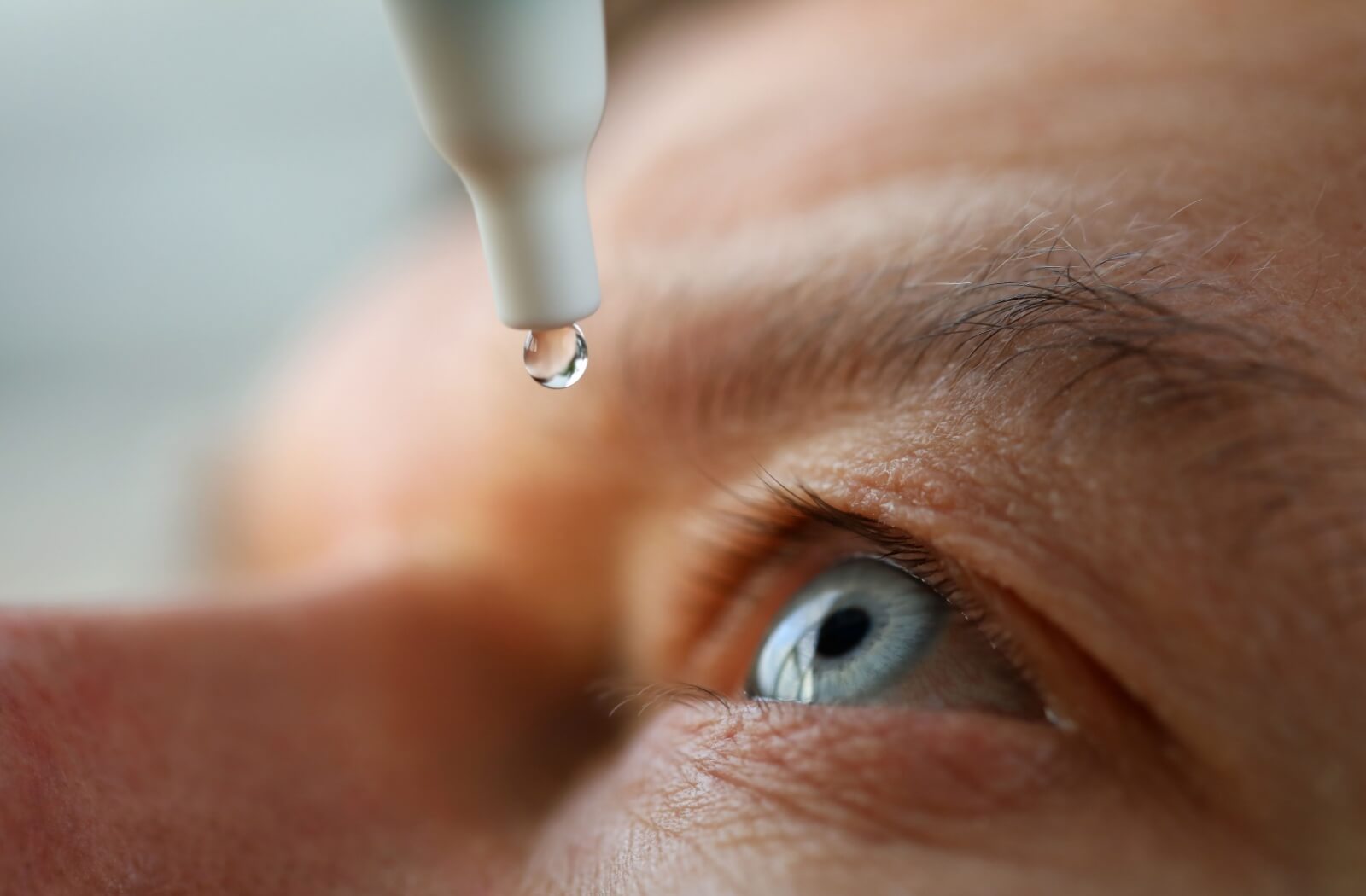
The low-dose formula used for myopia management has minimal side effects for most people. When side effects do happen, they’re generally mild and temporary.
Some temporary effects may include:
- Increased sensitivity to bright light
- Slight blurriness when reading or doing other close-up tasks
- Mild stinging right after you put the drops in
If you experience light sensitivity, photochromic lenses—lenses that darken in sunlight—can help keep your child comfortable outdoors.
Your Options for Myopia Management
Atropine treatment is most often recommended for children and adolescents whose nearsightedness is steadily getting worse. However, the first step is always a thorough evaluation with a professional.
A Consultation for Your Vision
During a consultation, your optometrist in Burlington, ON, you can discuss your vision concerns and check your eye health. This appointment allows your child’s eye doctor to explore if atropine therapy or another myopia management strategy would be the right option.
A Comprehensive Approach
Atropine eye drops are just one tool for myopia management. Depending on your situation, your eye doctor might suggest a combined approach for a more complete plan. Other myopia control options may include:
- Specialty multifocal contact lenses like MiSight
- Prescription eyeglasses designed for myopia control, like Stellest and MiYOSMART
- Lifestyle habits, such as spending more time outdoors
Our team at Upper Appleby Eye Care is committed to supporting your and your family’s long-term eye health. Schedule a consultation to discuss your family’s vision and find a myopia management plan that works for you.