

Key Takeaways
- Myopia and hyperopia are both refractive errors, and both are common.
- With myopia, distance vision is blurry while near objects stay clear.
- With hyperopia, near vision is blurry while distant objects tend to be clear.
- A minus sign on your prescription means nearsighted, and a plus sign means farsighted.
- An eye exam measures your vision at different distances and checks your overall eye health.
Two Words You’ve Probably Heard at the Eye Doctor
Myopia is a condition where distance vision is blurry, while close-up objects remain clear. Hyperopia, on the other hand, is when near vision is blurry while distance vision remains clear. Both are refractive errors, which simply means that your eyes don’t focus light correctly.
If you’re experiencing blurry vision, our team at Upper Appleby Eyecare can check your eyes and determine what kind of vision correction you need as part of a comprehensive eye exam.
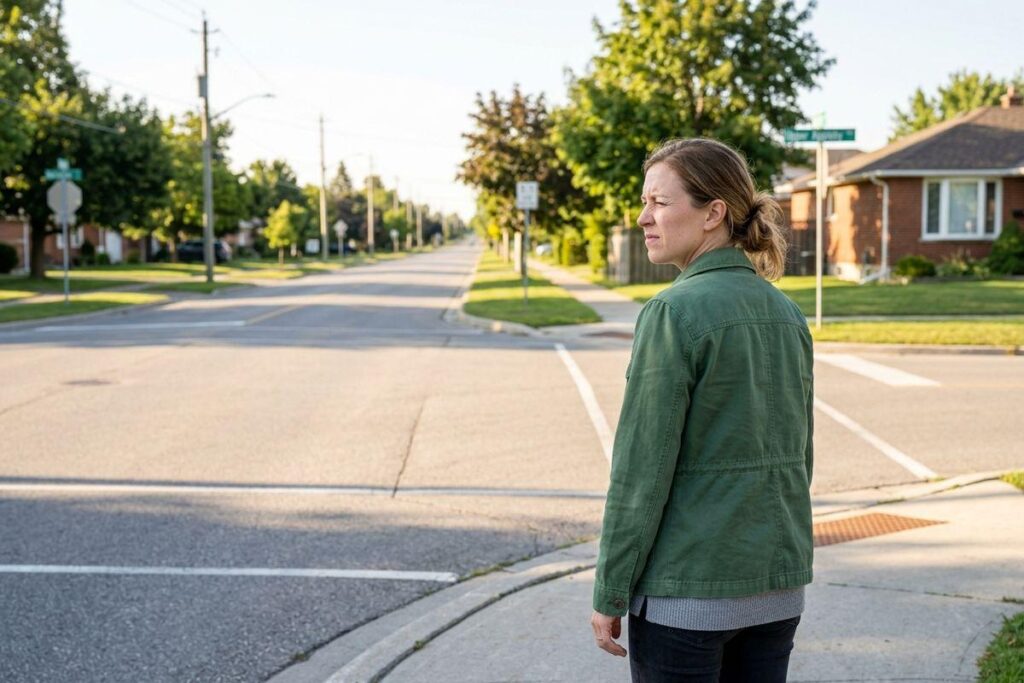
What Myopia, or Nearsightedness, Looks Like
Why It Happens
Myopia occurs when the eye grows longer from front to back or when the cornea (the clear front surface of your eye) curves too steeply. Family history makes myopia more likely, as do long hours of screen time and not spending enough time outdoors as a child.
Signs to Watch For
- Distant objects are blurry
- Squinting to bring things into focus
- Headaches and eye strain after the school or work day
- Children sitting very close to screens or the television
What Hyperopia, or Farsightedness, Looks Like
Why It Happens
Hyperopia is linked to a shorter eye or a flatter cornea. Many children are born with some degree of the condition, but it often disappears as they get older. For other people, hyperopia becomes noticeable with age, when reading and close work start to feel harder than they used to.
Signs to Watch For
- Blurry text when you read a book, a menu, or your phone
- Aching eyes after close-up activities like crafts, sewing, or paperwork
- Trouble holding focus on nearby objects
Key Differences Between Myopia & Hyperopia
- Eye shape. Myopia occurs when the eye grows too long, while hyperopia occurs when the eye is too short.
- How light is focused in the eye. In myopia, light is focused in front of the retina. In hyperopia, light is focused behind the retina.
- The range at which vision is blurry. Myopia causes blurry distance vision, while hyperopia causes blurry near vision.
Which One Is More Concerning?
Neither condition is worse than the other. What matters is their severity. For instance, high myopia has been linked to an increased risk of eye-related complications later in life.
Left uncorrected, either condition can make life harder than it needs to be.

Eye Exams & Correction Options in Burlington, ON
What Happens During an Eye Exam
As your optometrist in Burlington, ON, we’ll measure how clearly you see at different distances. If we find a potential problem, we’ll test different lens powers to find a prescription that gives you clear vision.
We’ll also use modern imaging technology to get a detailed look inside your eyes. This gives us a chance to check for underlying conditions, many of which are easier to treat when they’re caught early.
Ways to Correct Blurry Vision
Glasses are a familiar option, and our on-site edger means shorter wait times for your finished pair. Contact lenses are also effective, and come in daily or monthly wear schedules. Many adults also consider laser surgery.
For children, myopia control options can help slow how quickly myopia progresses, thereby helping to protect their future vision.
Book Your Next Eye Exam
Whether you’re struggling with distance or near vision, a comprehensive eye exam gives you a clear answer and a plan you can act on. Our team at Upper Appleby Eyecare is open 6 days a week and can help you find vision correction that fits how you live, work, and drive.
Book your appointment today and see what a current prescription can do for you.